Trail-Ready on a Shoestring: Building Your First 4x4 for Under $15K
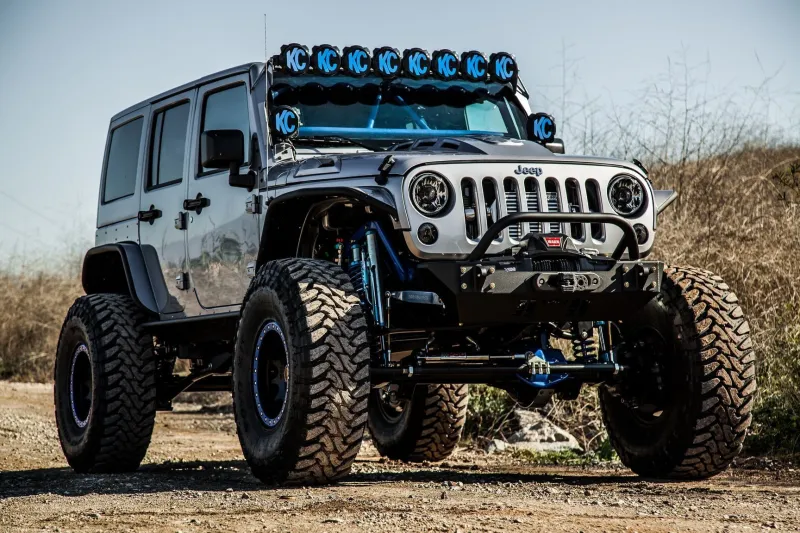
Photo: budget 4x4 off-road build lifted Jeep Wrangler trail, via i.pinimg.com
Let's get one thing straight: you don't need a $70,000 pickup to have a blast on the trail. Some of the most capable rigs we've seen roll through NKR community meetups started as beat-up auction finds or Craigslist rescues. With a realistic budget, a clear plan, and a little mechanical curiosity, building a trail-worthy 4x4 under $15,000 is absolutely doable — and honestly, it's one of the most satisfying ways to get into the hobby.
Here's how to do it without blowing your budget on the wrong stuff.
Start With the Right Platform
Your foundation determines everything. Spend the bulk of your budget here — ideally $6,000 to $9,000 — and you'll have more room to work with on the build side.
A few platforms consistently deliver the best bang for the buck in the US market:
- Jeep Wrangler TJ (1997–2006): The sweet spot for budget wheelers. Parts are everywhere, the community is massive, and even a tired TJ can be brought back to life without breaking the bank. Look for a 4.0L inline-six — it's nearly bulletproof.
- Toyota 4Runner (3rd or 4th gen): Rock-solid reliability, strong aftermarket support, and a loyal following. The V6 versions are plentiful and hold up well with high mileage.
- Ford Bronco (classic, pre-'96): More of a project, but a full-size Bronco with a solid axle setup is a capable platform if you're handy with tools.
- Chevy/GMC K1500 or K2500 (late '80s to mid-'90s): Cheap to buy, cheap to fix, and surprisingly capable with the right tires. Solid axles front and rear make them a budget builder's dream.
Skip the newer stuff for now. Modern trucks with complex electronics, air suspensions, and proprietary parts will eat your budget for breakfast.
Where to Find Your Rig
Forget the dealership. Your best hunting grounds are:
Facebook Marketplace and Craigslist — Still the go-to for private party deals. Search regionally and be willing to drive a few hours for the right truck. Rust is your biggest enemy, especially on anything from the Midwest or Northeast. Always look underneath before you fall in love with the body.
Government and fleet auctions — Sites like GovPlanet and PublicSurplus occasionally list 4x4 trucks that were used for utility work. They're not pretty, but the mechanicals are often well-maintained.
Off-road forums and Facebook groups — Platform-specific communities (JeepForum, IH8MUD for Toyota folks, etc.) have classifieds sections full of rigs sold by enthusiasts who actually maintained them. These sellers usually know what they have, which is both a blessing and a curse for negotiating.
The Pre-Purchase Inspection: Don't Skip It
Before you hand over cash, do your homework. A $200 pre-purchase inspection from an independent mechanic can save you thousands. Key things to check:
- Frame and rocker panel rust (on Jeeps especially)
- Transfer case operation — does it shift smoothly into 4-High and 4-Low?
- Differential seals and fluid condition
- Suspension bushings and ball joints
- Any signs of flood damage or rollover history
If the seller won't let you take it to a mechanic, walk away. There are plenty of other rigs out there.
Essential Upgrades First
Once you've got your platform, resist the urge to bolt on everything at once. Prioritize what actually keeps you safe and moving on the trail.
Tires — this is non-negotiable. A set of quality all-terrain or mud-terrain tires will transform your rig more than almost any other single upgrade. Budget $800–$1,200 for a decent set of 33s or 35s (depending on your platform). Brands like BFGoodrich, Falken, and Cooper offer solid performance without the premium price tag.
Recovery gear. Before you hit any serious trail, you need a recovery kit: a quality tow strap or snatch strap, shackles, a hi-lift jack, and traction boards (MAXTRAX or a budget alternative). This is a $200–$400 investment that could save your weekend — or someone else's.
Skid plates. If your rig doesn't have them, add them. Transfer case and oil pan protection is critical on rocky terrain. Many platforms have affordable aftermarket options in the $150–$400 range.
Communication. A basic GMRS radio setup keeps you connected with your group on the trail. Midland makes solid, affordable units that won't break the bank.
Nice-to-Haves (When Budget Allows)
Once the essentials are covered, you can start thinking about the fun stuff:
- A mild lift kit (2–3 inches): Improves clearance and allows for slightly larger tires. Stay modest on the lift if you're new — bigger isn't always better, and tall, top-heavy rigs are less stable.
- Lockers or limited-slip differentials: A rear locker is a game-changer on technical terrain. ARB and Eaton both make options across multiple price points.
- LED light bar or auxiliary lights: Useful for early morning starts or late exits from the trail. Shop around — you don't need to spend $500 on a light bar to get decent output.
- Roof rack or cargo management: Adds versatility for longer trips. Check out budget-friendly options from Rhino-Rack or used gear on Facebook Marketplace.
Common Budget Killers to Avoid
This is where a lot of first-time builders go sideways:
Buying a fixer-upper that needs too much fixing. A $3,000 truck that needs $8,000 in repairs isn't a deal — it's a trap. Know your mechanical limits before you commit.
Chasing aesthetics over function. Big lifts, flashy wheels, and chrome everything look great in photos but don't help you climb a hill. Build for performance first.
Buying cheap tires. This is the one place you really shouldn't cut corners. Off-brand tires with poor tread patterns will fail you exactly when you need them most.
Skipping maintenance on a used rig. Budget $500–$1,000 upfront for a full fluid service, new belts and hoses, and any deferred maintenance. It's far cheaper than a breakdown on the trail.
Real Talk From the NKR Community
We've seen some genuinely impressive budget builds come out of our community. One member picked up a 2001 Jeep TJ with 180,000 miles for $5,500, put $3,000 into tires, a basic 2.5-inch lift, skid plates, and recovery gear, and has since wheeled it through trails in Moab, the Uwharrie National Forest, and the Ozarks. Total spend: under $10,000. Another member grabbed a mid-'90s Toyota 4Runner for $6,000 and built it up over two years, adding parts as budget allowed — a common and smart approach.
The point is: you don't have to do it all at once. Start with a solid platform, get the essentials dialed in, and add to the build over time. The trail doesn't care how much you spent — it just cares how prepared you are.
Get out there.