Your Rig's Off-Season: The 12-Month Calendar That Keeps You Legal and Trail-Ready

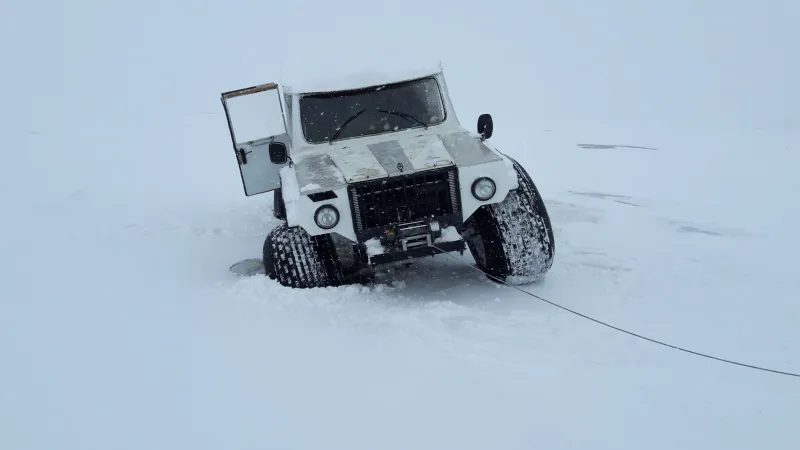
Photo: Sarah Larson from Ann Arbor, MI, USA, CC BY 2.0, via Wikimedia Commons
Ask any longtime wheeler what ruined their season and you'll rarely hear about a broken axle. More often it's the boring stuff: a registration that lapsed in March, a trail permit that required a 30-day advance application, or a set of worn-out tires discovered the same weekend as the annual Moab trip.
A 4x4 isn't a weekend toy — it's more like a season-ticket athlete. It needs a training calendar, an off-season, and a manager (that's you) who knows when every deadline hits. Here's how to build a year of wheeling around the three things that quietly strand more rigs than any rock garden: rotation seasons, permit windows, and paperwork.
January: Audit, Don't Wheel
Unless you're in the desert Southwest, January is for the binder — or these days, the spreadsheet. Pull up three things: your state's OHV registration requirements, your vehicle's street registration renewal date, and the permit systems for every trail you want to run this year.
A lot of folks don't realize that many popular systems — like Colorado's OHV registration, or the permit lottery for certain Utah and Arizona routes — have windows that close months before prime season. If your dream trail requires an application in February for an April run, January is when you find that out, not the week before.
While you're at it, book your annual inspection slot. Shops fill up fast once spring hits.
February: Tires Before Lifts
Tire wear doesn't happen evenly. If you've spent last season aired-down on rocky terrain, your tread is eaten faster than any highway commute would suggest — and the wear pattern itself tells a story. Cupping points to worn shocks. Feathering means your toe is out. Heeled wear on the edges says you've been hammering on pavement with an aggressive tread that wants dirt.
February is the sweet spot for tire decisions because dealers run winter clearance on last year's sizes. If you're due for a replacement set, buy now, not in May when demand spikes. And if you run a dedicated winter/street tire split, this is the month to schedule the swap before mud season makes every trail a soup.
March: The Pre-Season Shakedown
Before your first real run of the year, give the rig a full once-over. We're talking fluids checked and topped, brake inspection, battery load test, and a slow walk-around looking for anything that shifted, cracked, or corroded over winter.
Rodents love a warm engine bay in January. Check for chewed wiring before you're three hours from pavement.
This is also when you renew any annual passes — America the Beautiful, state park OHV stickers, forest service day passes. Stack them all in March and you never think about it again.
April–May: Prime Season Opens
Go wheel. That's the point of all the planning. But keep one rule: rotate your tires at the midpoint of your season, not the end. Most tire manufacturers recommend every 5,000 to 7,500 miles, and mixed on/off-road use chews through that faster than you'd think. A mid-season rotation in late May keeps wear even through your heaviest months.
June: Mid-Year Paperwork Sweep
Summer is when deadlines ambush people. Street registration renewals, insurance reviews, and — if you're traveling out of state — non-resident OHV permits. California, for example, requires non-resident stickers for out-of-state rigs on many routes, and rangers do check.
Set a recurring calendar reminder for June 1st: one hour, laptop, handle everything. It's the cheapest trail insurance there is.
July–August: Heat Season Maintenance
High summer is hard on cooling systems, transmissions, and tires alike. Check tread depth with a quarter — if Washington's head is covered, you're fine; if it's not, start shopping for fall replacements now, before the early-season snow tires sell out.
This is also the time to note what your rig is telling you. That new vibration? The brake pedal that's gone soft? Write it down. You'll want that list in September.
September: The Winterization Window
Here's where the planning pays off. September is the last comfortable month to knock out everything on your mid-year list before cold weather turns a two-hour job into a two-day affair in a freezing garage.
Pre-winter inspection checklist:
- Coolant strength and hose condition
- Battery terminals and charge
- Wiper blades and washer fluid rated for freezing
- Tire tread depth and pressure check
- Undercarriage rinse and rust inspection (you just spent a season in mud and road salt may be coming)
October–December: Storage Mode or Snow Mode
If you wheel year-round, great — just keep rotating tires and watching fluids. If you store the rig, do it right: full fuel tank, battery maintainer, tires off the ground if possible, and a cover that breathes.
And December? That's when you circle back to January and start the loop again — permit applications for next spring, tire deals for the holidays, inspection bookings before the rush.
The Takeaway
None of this is glamorous. Nobody posts photos of a renewed OHV sticker. But the wheelers who are on the trail every good weekend from April through October are the ones who treat the calendar like part of the build. A rig that's legal, grippy, and inspected doesn't just save you money — it saves you the worst feeling in off-roading: sitting at the trailhead while everyone else rolls on.