Trail Scars Are a Résumé: In Defense of the Ugly, Capable Rig
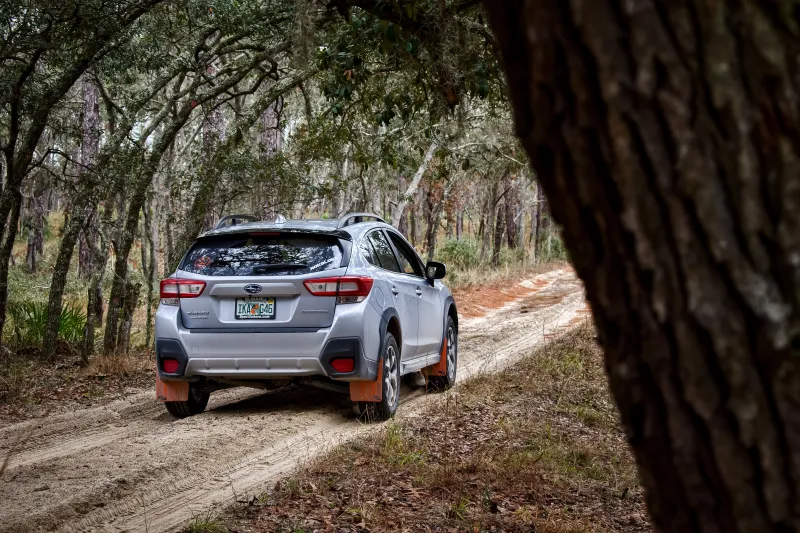
There's a particular kind of rig showing up at trailheads more and more often. It's spotless. The suspension is dialed, the paint is ceramic-coated, and the bumpers have the soft, untouched sheen of parts installed last month. It photographs beautifully. And nine times out of ten, it parks at the overlook while the scarred-up XJ with zip-tied trim and 200,000 miles climbs the obstacle everyone came to see.
Look, nobody's mad at a nice truck. We all like nice trucks. But somewhere in the last decade, the parking lot became the main event, and a lot of folks are building for the camera instead of the trail. We think that's a mistake — and the best argument against it is every rig in your local group chat with a dented rocker panel and a story behind it.
What Scars Actually Mean
A gouged bumper means that driver has been close enough to a tree to misjudge it — and kept going. Dings on a skid plate mean the belly of that rig has kissed rock and lived. Pinstriping down both sides of a 4Runner isn't neglect; it's a map of every tight forest service road that rig has threaded.
Compare that to the show build where every panel is perfect. What has it done? Where's the evidence of decision-making under pressure? A clean rig tells you about a checkbook. A scarred rig tells you about a driver.
We talked to a few longtime wheelers about this, and the answers were pretty consistent.
"I Skipped the Paint Job and Bought a Winch"
Dave runs a '99 Tacoma that looks like it lost a fight with a gravel pit. His take: "Every rig has a budget. I could spend three grand making it pretty, or three grand making it go. Paint doesn't get you off a ledge."
Maria, who wheels a beat-up but mechanically immaculate Grand Cherokee, put it another way: "My rig doesn't look nice because I keep spending the money where it counts — tires, recovery gear, maintenance. Cosmetics are the first thing to go anyway. The first real trail day will handle that for free."
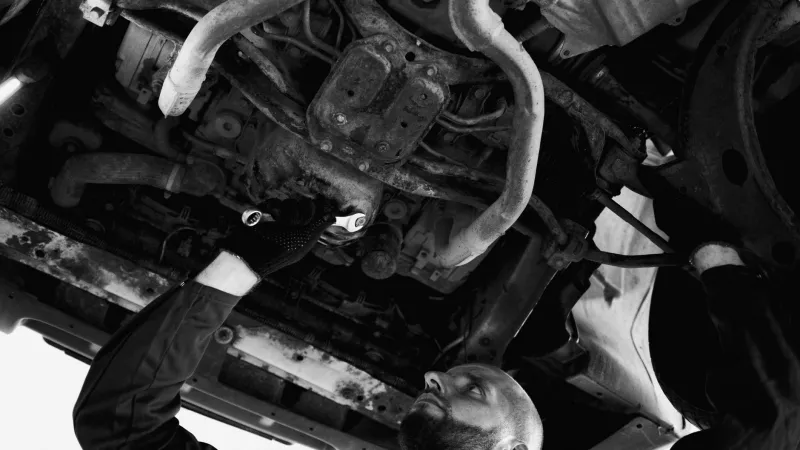
That's the quiet math most experienced wheelers have already done. Seat time beats shine time. Every dollar that goes into appearance is a dollar that isn't going into armor, recovery gear, better tires, or — the most underrated upgrade of all — gas money for more trail days.
The Trailer Queen Problem
There's a subset of the hobby where the rig never actually touches dirt. It gets trailered to the trailhead, winched over the one obstacle for content, and loaded back up. We're not here to police anyone's fun — but we will point out that this approach teaches you nothing.
Off-road skill is built through repetition, mistakes, and recovery. It's learning what your rig feels like when a tire is unloading, when the traction control is about to intervene, when you should back off and take a different line. None of that happens in a photo shoot. The cleanest rig on the trail is often the least capable — not because of its parts, but because of its driver.
Capability Is a Habit, Not a Parts List
Here's the part that gets lost: capability isn't just hardware. A stock rig with a skilled driver will outperform a built rig with a nervous one on most trails in America. The scarred rigs you see leading group runs earned their position the same way their dents got there — reps.
So if you're new to the sport and feeling pressure to make your rig look the part before you've earned it, take this as permission: don't. Run your stock 4x4 until it teaches you something. Let the pinstripes come naturally. Spend your money on tires and a proper recovery kit before you spend it on fenders.
Wear Your Damage
There's a reason the most respected rigs at any gathering tend to be the roughest ones. Those dents and scratches are receipts. They say this rig goes, this driver tries, and both have survived long enough to prove it.
The trail doesn't care what your paint looks like. It cares whether you can pick a line, run a winch, and get yourself and your group home. Everything else is decoration.
So the next time you see a rig that looks like it's been through a rock tumbler, don't pity it. Read it. That thing has probably been more places than most of us will ever get to — and it's dressed exactly right for the occasion.